
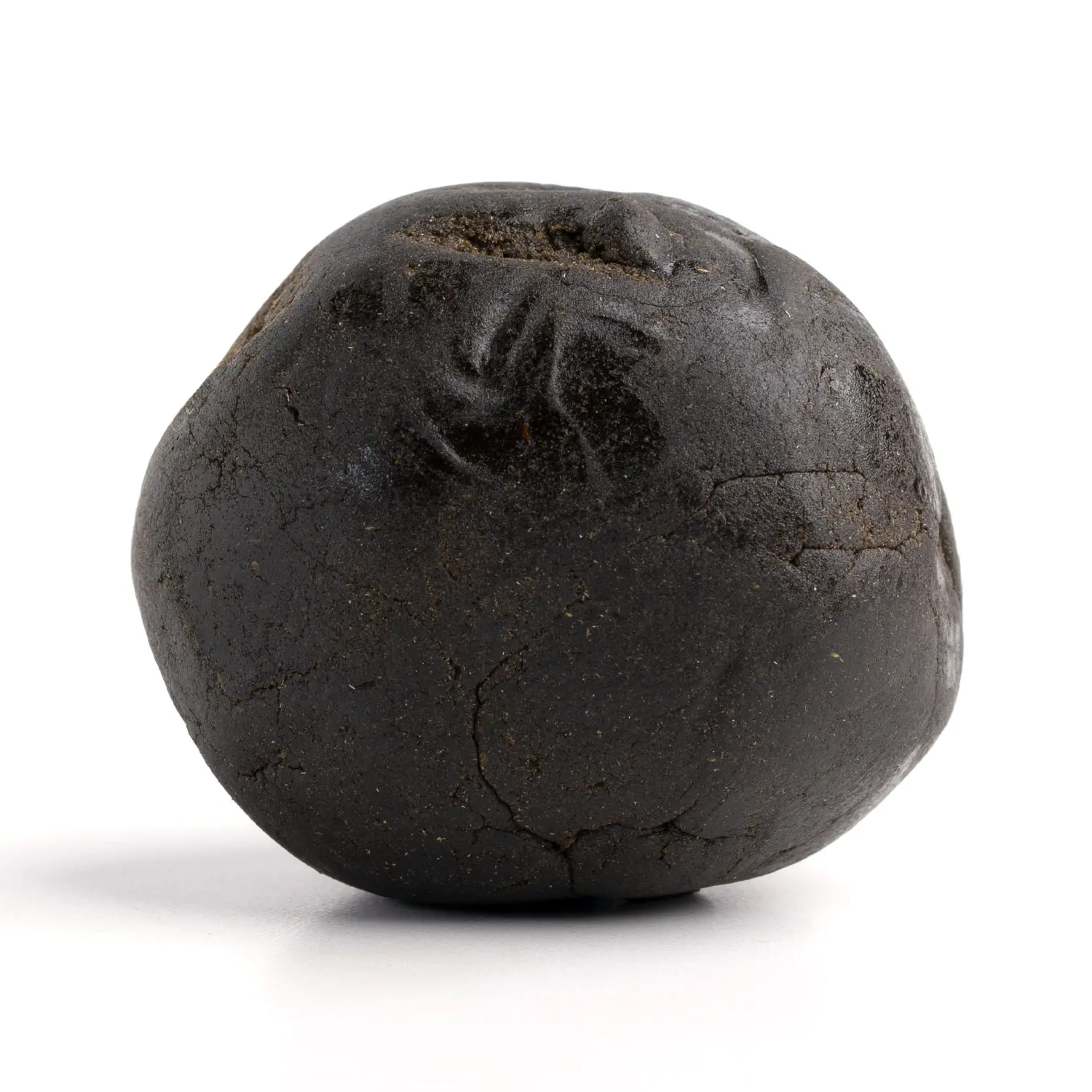
Black hash, also known as “black hashish,” holds a legendary status in the world of cannabis concentrates. It is renowned not only for its distinct dark appearance but also for its traditional preparation methods and the powerful, aromatic experiences it offers. This guide explores the history, production techniques, types, effects, and cultural significance of black hash, offering a comprehensive look into why it remains a favorite among cannabis enthusiasts.
Black hash is a concentrated form of cannabis resin, meticulously prepared to amplify the plant’s psychoactive compounds, particularly THC. It is made by collecting and compressing trichomes, which are the resinous glands found on the surface of cannabis flowers. These trichomes are rich in cannabinoids and terpenes, the compounds responsible for the psychoactive effects and the diverse aroma profiles of cannabis.
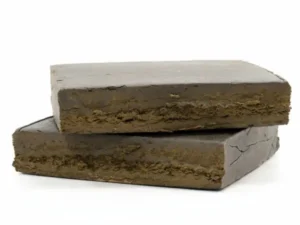
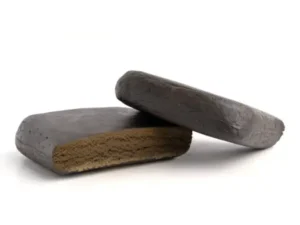
Unlike lighter hash varieties that may appear golden or brown, black hash has a deep, almost jet-black color. This is mainly because of the processing techniques used, which often involve heat, hand-rolling, or prolonged oxidation that darken the material. Its texture can range from sticky and malleable to firm and crumbly, depending on how it’s made and the specific strain of cannabis used.
| Quantity | 3.5 Grams, 7 Grams, 14 Grams, 28 Grams |
|---|
Related products
Hash
Hash
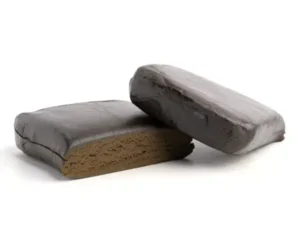
Hash
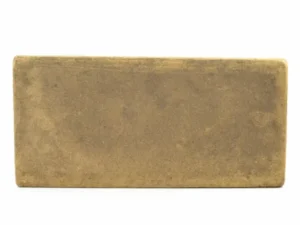
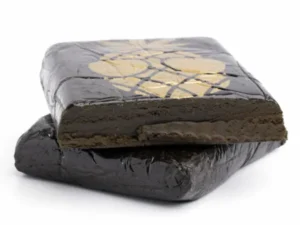
Hash
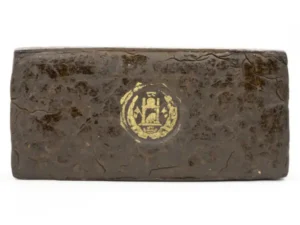
Hash
Hash
Hash